
Introduction
Many people press and grind spices without thinking, then wonder why the flavor feels weak or slightly burnt. The issue is not the grinder—it’s the way it’s being used. Small mistakes like overloading, grinding too long, or ignoring texture control can quickly destroy the natural aroma of spices.
The good news is, you don’t need expensive tools or complex techniques to fix this. Once you understand the right method, a simple spice grinder can completely change the way your food tastes.
In this guide you’ll learn how to use a spice grinder step-by-step method to grind spices correctly, control texture, avoid overheating, and get maximum flavour every time you cook.
Table of Contents
Step by Step guide: How to Use a Spice Grinder
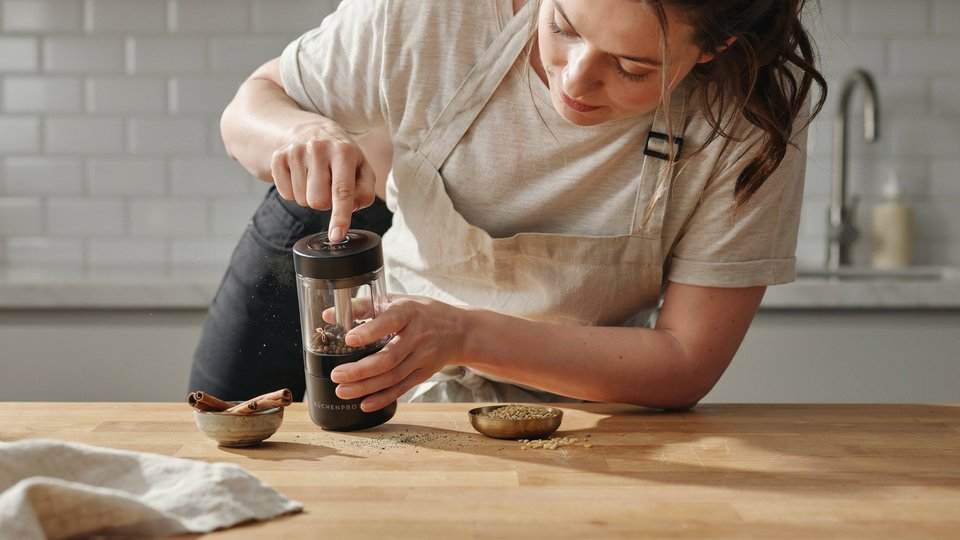
Using a spice grinder correctly is simple, but a few small techniques can make a big difference in flavour, aroma, and texture. Follow these steps to get consistent results every time.
Step 1: Add a Small Amount of Whole Spices
- Add only a small batch of whole spices to the grinder instead of filling it to the top.
- Overfilling prevents spices from moving freely around the blades.
- The spices grind more evenly and produce a consistent texture.
Step 2: Secure the Lid and Start with Short Pulses
- Close the lid tightly and grind in short 2–3 second bursts rather than running the grinder continuously.
- Short pulses give you better control and reduce heat buildup inside the grinder.
- The spices keep more of their natural aroma and flavour.
Step 3: Redistribute the Spices Between Grinding Bursts
- Give the grinder a gentle shake between grinding bursts.
- Some spices stay near the bottom while larger pieces remain on top.
- The spices redistribute evenly, helping you avoid large chunks.
Step 4: Check the Texture Frequently
- Open the lid after every few pulses and check the consistency.
- Different spices grind at different speeds, and texture can change quickly.
- You stop at the exact grind size you need instead of over-processing the spices.
Step 5: Stop Grinding Once You Reach the Desired Consistency
- As soon as the spices reach a coarse, medium, or fine texture, stop grinding.
- Extra grinding creates unnecessary heat and can reduce flavour quality.
- You get fresh, flavourful spices with the texture that best suits your recipe.
Step 6: Empty the Grinder After Grinding
- Pour the freshly ground spices into a dry airtight container or use them right away.
- Ground spices lose aroma when exposed to heat, air, and moisture.
- The spices stay fresher and deliver stronger flavour in your cooking.

How Does a Spice Grinder Work?
A spice grinder uses a fast-spinning blade to break whole spices into smaller pieces. Understanding how it works helps you get a better texture and stronger flavor from every batch.
Fast-Spinning Blade Breaks the Spices
- The blade spins rapidly and cuts through whole spices.
- The spinning motion breaks hard spices into smaller particles instead of crushing them like a mortar and pestle.
- You can grind spices quickly and achieve the consistency needed for your recipe.
Use Short Pulses Instead of Continuous Grinding
- Grind in short bursts rather than holding the grinder on continuously.
- Continuous grinding creates heat inside the grinder and can process some pieces faster than others.
- You get more control over the texture and a more even grind.
Avoid Letting the Grinder Overheat
- Stop grinding once the spices reach the desired consistency.
- Excess heat can damage the natural oils that give spices their aroma and flavour.
- Your freshly ground spices stay more fragrant and flavourful.
Focus on Timing, Not Power
- Check the texture frequently while grinding.
- The right grinding time matters more than running the grinder longer.
- You achieve the texture you want without sacrificing flavour quality.
Things to Check Before Using a Spice Grinder
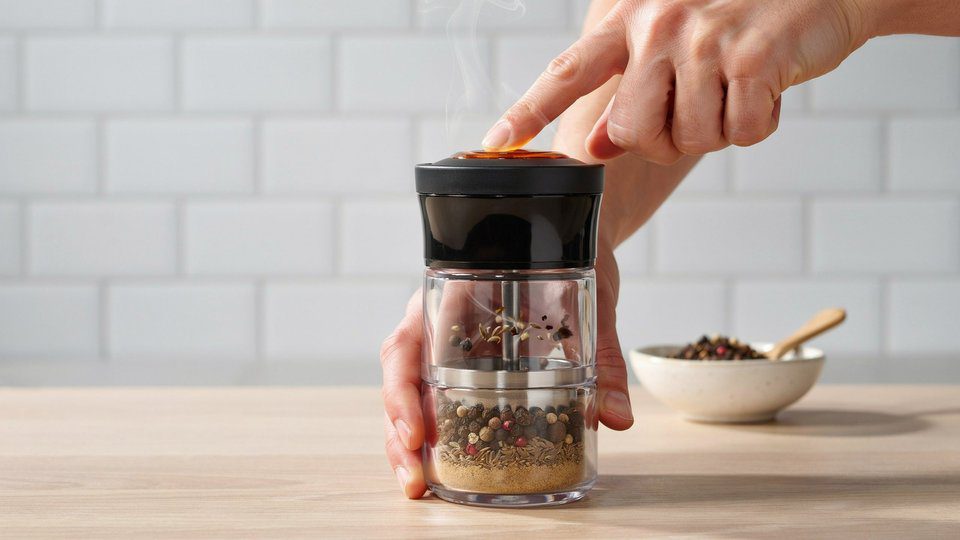
A few simple checks before grinding can make the difference between a smooth, flavorful result and a disappointing batch.
Use Dry Whole Spices
- Start with dry whole spices instead of damp or pre-ground ingredients.
- Moisture can cause spices to clump together and grind unevenly.
- You get a cleaner grind and a more consistent texture.
Make Sure the Spices Are Moisture-Free
- Check that the spices are completely dry before adding them to the grinder.
- Even small amounts of moisture can affect grinding performance and flavor quality.
- The spices break down more easily and stay fresh longer.
Think in Small Batches
- Grind only the amount of spices you need for the recipe or near-future use.
- Freshly ground spices lose aroma over time when exposed to air.
- You enjoy stronger flavour and better aroma in your cooking.
Leave Room Inside the Grinder
- Fill the grinder lightly instead of packing it to capacity.
- Spices need space to move around the blades for even grinding.
- You achieve a more uniform texture without large pieces being left behind.

How Much Spice Should You Grind at One Time?
Most people make the mistake of filling the grinder as much as possible. While it may seem faster, overloading the grinder often leads to uneven results and weaker flavor.
Grind Small Batches for Better Results
- Grind only a small amount of spices at a time instead of filling the grinder to capacity.
- Spices need room to move around the blades so they can grind evenly. Smaller batches also generate less heat during grinding.
- You get a more consistent texture and better flavour from every batch.
Grind Only What You Need
- Prepare just enough freshly ground spice for your current recipe or short-term use.
- Ground spices begin losing their aroma and flavour as soon as they are exposed to air.
- Your dishes benefit from a fresher, stronger spice flavour instead of a dull or faded taste.
Prioritise Freshness Over Quantity
- Focus on grinding fresh spices more often rather than making large batches in advance.
- Freshly ground spices contain more aromatic oils, which are responsible for their rich flavour and aroma.
- Every meal gets the full impact of the spice instead of relying on older, less flavourful powder.
How Fine Should You Grind Spices?
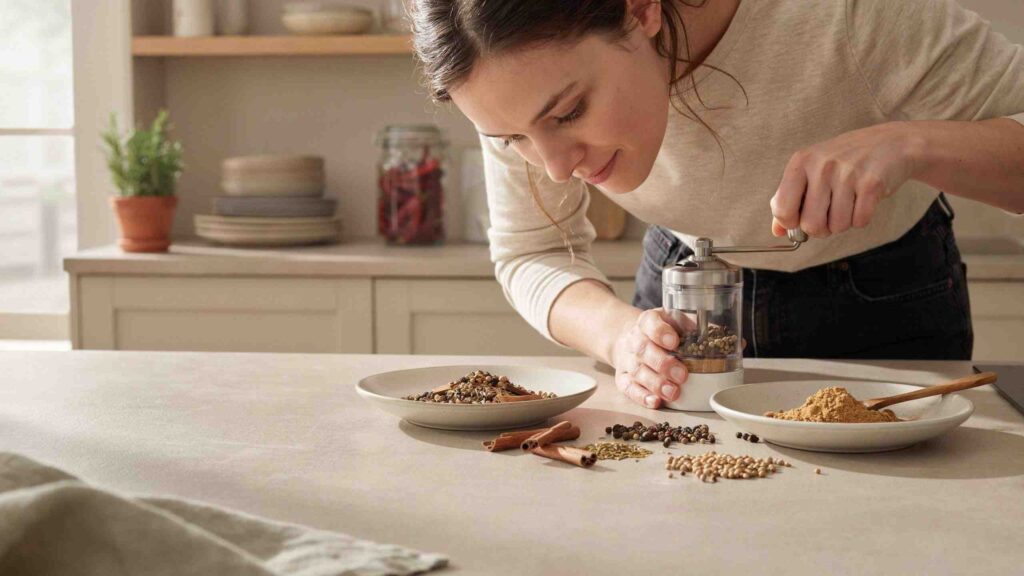
The right grind size depends on how you plan to use the spice. Grinding longer is not always better. The goal is to match the texture to the dish.
Coarse Grind for Finishing Dishes
- Stop grinding when the spices are broken into small, noticeable pieces.
- A coarse texture adds bursts of flavour and a slight crunch to finished dishes.
- You get more texture and a stronger spice presence in every bite.
Medium Grind for Everyday Cooking
- Continue grinding until the spices have a balanced, even texture.
- Medium-ground spices mix well into soups, sauces, marinades, and most everyday recipes.
- The flavour spreads evenly throughout the dish without overpowering it.
Fine Grind for Spice Blends
- Grind until the spices become a smooth, powder-like consistency.
- Fine spices combine more easily with other seasonings and distribute evenly in spice blends.
- You create a uniform flavour profile with no noticeable spice pieces.
Follow the Aroma, Not Just the Texture
- Pay attention to the aroma while grinding and stop when the fragrance is at its strongest.
- Grinding for too long can generate heat that weakens the spice’s natural flavour and aroma.
- You preserve maximum flavour and aroma while achieving the texture you need.
Should You Toast Spices Before Grinding?
Toasting spices is not a must every time. It is a technique that improves flavor in some cases, but it can also ruin delicate spices if used incorrectly.
Toasting Is Optional, Not Always Needed
- Decide whether to toast based on the type of spice you are using.
- Not all spices need heat to release flavour, and some lose their natural aroma when exposed to heat.
- You avoid unnecessary steps and protect the original taste of sensitive spices.
Toast Hard Whole Spices Before Grinding
- Lightly toast hard spices like peppercorns, cumin seeds, or coriander seeds before grinding.
- Heat helps release essential oils locked inside dense spices.
- You get a deeper, stronger aroma and richer flavour in your spice grind.
Do Not Toast Delicate Spices
- Skip toasting for delicate spices and herbs such as cardamom seeds, dried chilies, or dried herbs.
- These spices burn quickly and lose their natural sweetness and fragrance under heat.
- You preserve their natural flavour and avoid bitterness.
Always Cool Spices Before Grinding
- Let toasted spices cool completely before putting them in the grinder.
- Heat inside the grinder can damage spice oils and affect grinding texture.
- You get a clean grind with full aroma and better consistency.
Expert Rule to Remember
- Never grind spices while they are still warm.
- Heat breaks down essential oils and can create a bitter taste.
- Your spices stay flavourful, aromatic, and true to their natural profile.
How to Get Maximum Performance from a Spice Grinder
Getting perfect results is not about the grinder itself. It’s about how you use it. Small adjustments in technique can completely change flavor, aroma, and texture.
Grind Only What You Need
- Grind only the amount of spice you need for the dish you’re making.
- Freshly ground spices lose aroma quickly once exposed to air.
- You get stronger flavour and a more vibrant taste in every recipe.
Always Use Fresh Whole Spices
- Start with whole, fresh spices instead of pre-ground powder.
- Whole spices retain essential oils that are responsible for flavour and aroma.
- Your ground spices taste richer and more powerful.
Prefer pulsing over continuous grinding
- Grind in short bursts instead of running the grinder nonstop.
- Continuous grinding creates heat and reduces control over texture.
- You achieve better consistency and preserve natural spice aroma.
Match Grind Size to Your Dish
- Choose coarse, medium, or fine grind based on your recipe needs.
- Different dishes require different levels of flavour release and texture.
- Your spices blend perfectly into the dish instead of overpowering or under performing it.
Avoid Overheating the Spices
- Stop grinding as soon as the desired texture is reached.
- Excess heat destroys the essential oils that carry spice flavour.
- You keep the spices fragrant, fresh, and full of natural depth.
How to Prevent Flavour Transfer Between Spices
Strong spices like cloves, chili, or pepper can leave behind strong aroma in the grinder. If not handled properly, that leftover flavor can mix with your next batch and change the taste of your dish.
Quickly Wipe the Grinder After Using Strong Spices
- Wipe the grinder bowl and blades quickly after using strong-smelling spices.
- Residual spice particles and oils stick to the surface and carry strong aroma.
- Your next spice grind stays clean and free from unwanted flavours.
Avoid Grinding Mild Spices Immediately After Strong Ones
- Do not switch directly from strong spices to mild spices without a quick clean.
- Strong spices transfer their aroma easily to lighter spices like coriander or cumin.
- Each spice keeps its original taste without contamination.
Use a Dry Clean Between Batches
- Run a dry wipe or quick empty grind cycle before switching spices.
- This removes leftover powder and reduces cross-flavour mixing.
- You get pure, accurate spice flavour in every batch.
Signs Your Spice Grinder Needs Maintenance or Replacement
A spice grinder should give you quick, even results. When it starts failing, your spices lose flavor quality and texture consistency. These signs help you catch the problem early.
Spices Grind Unevenly
- Notice if some spices turn into powder while others stay in large pieces.
- Worn blades or weak grinding power can’t process spices evenly.
- Your spice mix becomes inconsistent and less reliable in cooking.
Grinding Takes Longer Than Usual
- Pay attention if you need extra time or repeated pulses to grind the same amount.
- Dull blades or motor fatigue reduce grinding efficiency.
- You spend more time for weaker grinding results.
Grinder Produces Less Aroma
- Check if freshly ground spices smell weaker than before.
- Overheating or blade wear can damage essential oils in spices.
- Your spices lose their natural fragrance and taste flat in dishes.
Strange Smell or Heat During Grinding
- Stop if you notice burning smell or unusual heat from the grinder.
- Excess friction or internal wear is affecting performance.
- The grinder may damage spices and need servicing or replacement.

Conclusion
Using a spice grinder the right way is not complicated, but it does require control and attention. When you follow the correct workflow, the results improve immediately in both flavour and texture.
Prepare your spices properly, use short pulses instead of running the grinder continuously, control the grind size by checking often, and always stop early once you reach the right consistency. These small habits make a big difference in the final taste of your food.
The key truth to remember is simple: fresh grinding is about control, not power. When you respect timing and texture instead of rushing the process, your spices stay more aromatic, balanced, and full of natural flavour in every dish.
Faqs
Can you grind coffee beans in a spice grinder?
Yes, but it’s better to use a separate grinder to avoid flavour transfer between coffee and spices.
Is it better to grind spices fresh?
Yes. Freshly ground spices have stronger aroma and more natural flavour than pre-ground spices.
How long should you grind spices?
Only a few seconds in short pulses, stopping as soon as you reach the desired texture.
Can a spice grinder make fine powder?
Yes. Continuous short pulsing can turn whole spices into a fine, even powder.
Can you grind multiple spices together?
Yes, but only if they match in flavour profile, otherwise taste balance may be affected.

Hi, I’m Muhammad Din. I test and compare kitchen tools in my own kitchen before I ever recommend them — if it’s in a guide on HomePlora, I’ve used it or dug deep enough to know exactly where it holds up and where it doesn’t. My goal is simple: help you find tools that actually earn a spot in your kitchen, without wasting money on ones that don’t.