
A few links included in this article may be affiliate links, which means we may earn a small commission if you make a purchase through them—without any extra cost to you. We only share kitchen tools that we feel are genuinely useful and worth considering for better cooking results.

Introduction
A perfectly cooked steak can still disappoint when the first bite feels tough and chewy. Many home cooks face this issue even when they follow the recipe correctly, especially with chicken breasts, pork chops, or budget-friendly cuts of beef. The problem is not always cooking time — it often starts before the meat even hits the pan. Muscle fibres and connective tissue need proper breakdown to get that soft, juicy texture restaurants achieve. This is where a meat tenderizer tool changes everything. In this guide, you’ll understand how different tools work, which ones actually improve texture, and how to choose the right option for your kitchen without guessing or wasting money.
Why trust us
We don’t write about kitchen tools from theory or recycled product descriptions. Every recommendation is based on how these tools actually perform in cooking situations — from preparing everyday chicken meals to testing tougher cuts like steak and pork. We focus on what works in a kitchen: how easy the tool is to use, how it handles raw meat, how it affects texture, and whether it genuinely improves cooking results. Our goal is simple — help you choose tools that make cooking easier, more consistent, and less frustrating, without wasting money on things that don’t deliver in practice.
What Is a Meat Tenderizer and How does it work?
A meat tenderizer is a kitchen tool designed to break down tough muscle fibres before cooking. Depending on the design, it may use blades, needles, or a textured mallet surface to improve tenderness and help marinades penetrate deeper into the meat.
How Does a Meat Tenderizer Work?
A meat tenderizer works by physically weakening the connective tissue and muscle fibres that can make meat feel tough. Blade and needle tenderizers create small channels throughout the meat, while mallets use pressure to break down fibres through pounding.
These small changes help:
- Improve tenderness
- Allow marinades to penetrate deeper
- Promote more even cooking
- Reduce the risk of dry, overcooked meat
- Enhance flavor absorption
Real Kitchen Performance
In everyday cooking, a tenderizer is most useful when working with tougher cuts such as flank steak, round steak, pork chops, or chicken breasts. A blade-style tenderizer helps keep the meat’s natural shape while improving texture, whereas a mallet is often preferred when flattening cutlets for even cooking.
Product comparison
| Image | Product | Details | Price |
|---|---|---|---|
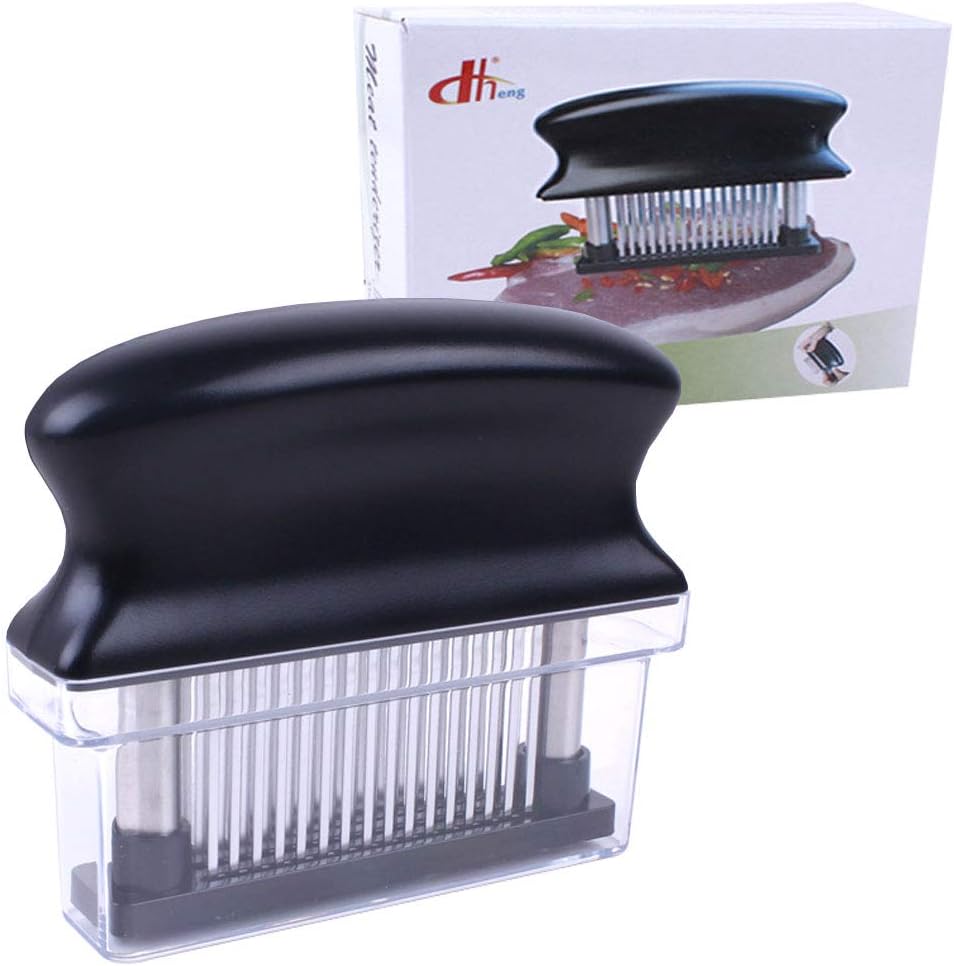 |
48-Blade Needle Meat Tenderizer | Creates deep flavour channels with 48 stainless steel blades for more tender, evenly seasoned meat. | Check on Amazon |
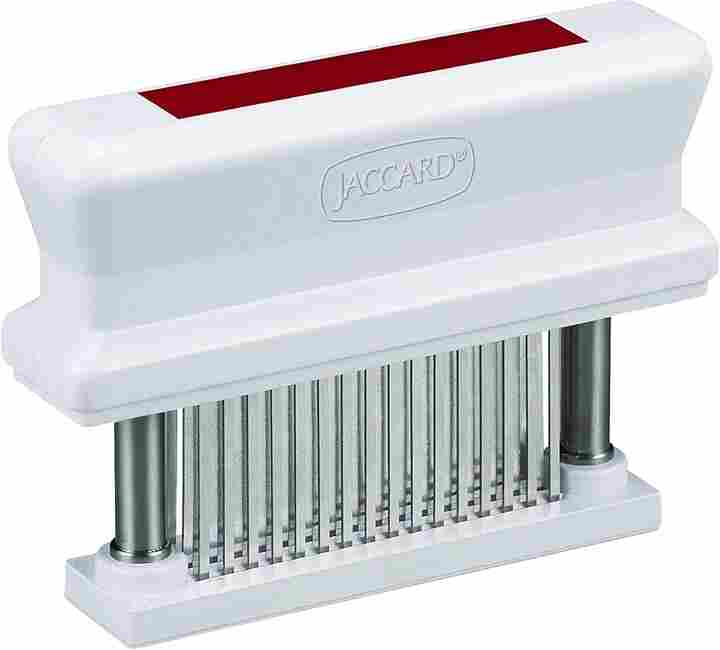 |
48-Blade Meat Tenderizer | Uses 48 razor-sharp stainless steel blades to improve tenderness, flavor absorption, and cooking consistency. | Check on Amazon |
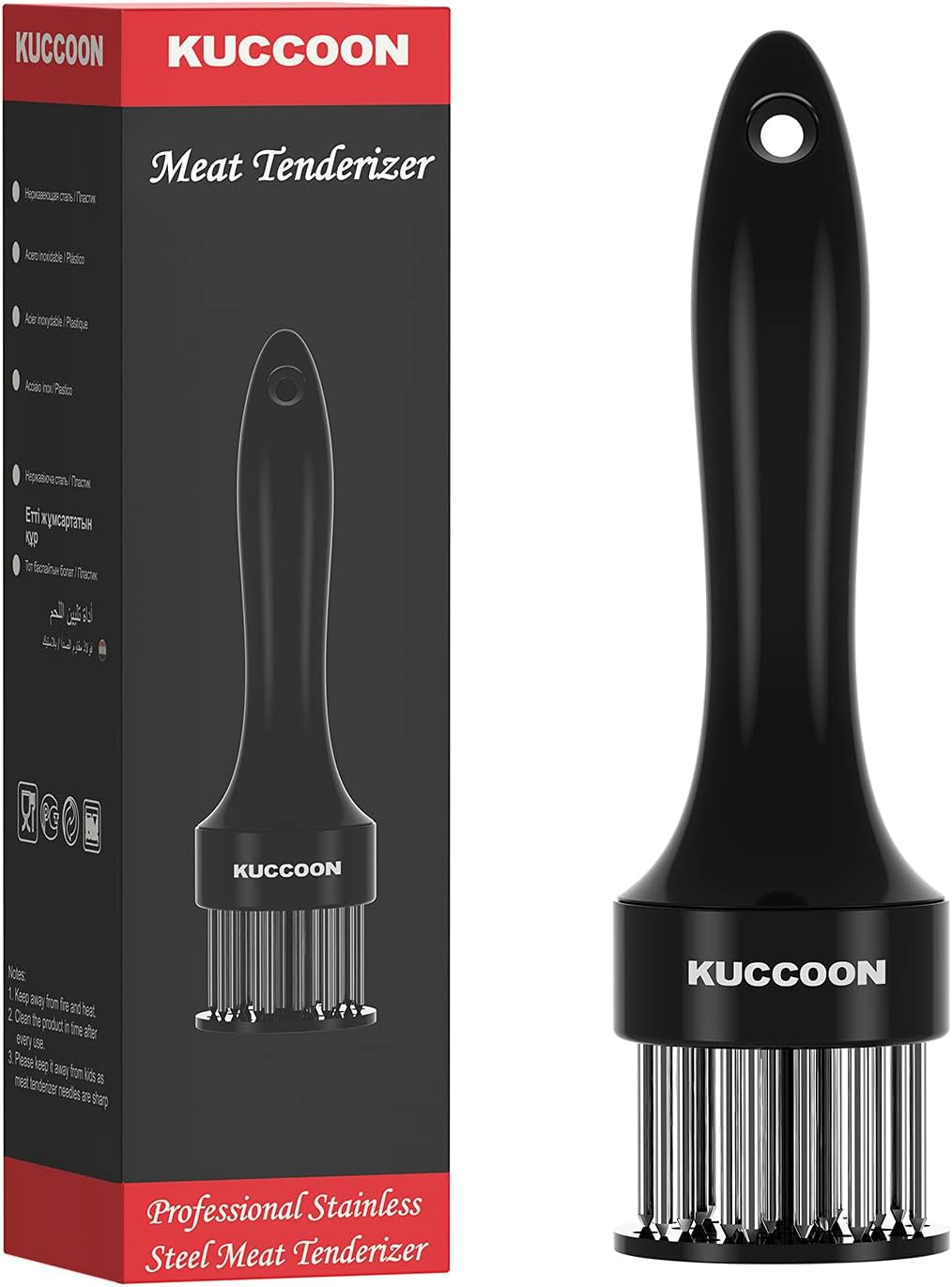 |
24-Prong Meat Tenderizer | Uses 24 stainless steel prongs to improve tenderness and help marinades absorb more effectively while preserving the meat’s shape. | Check on Amazon |
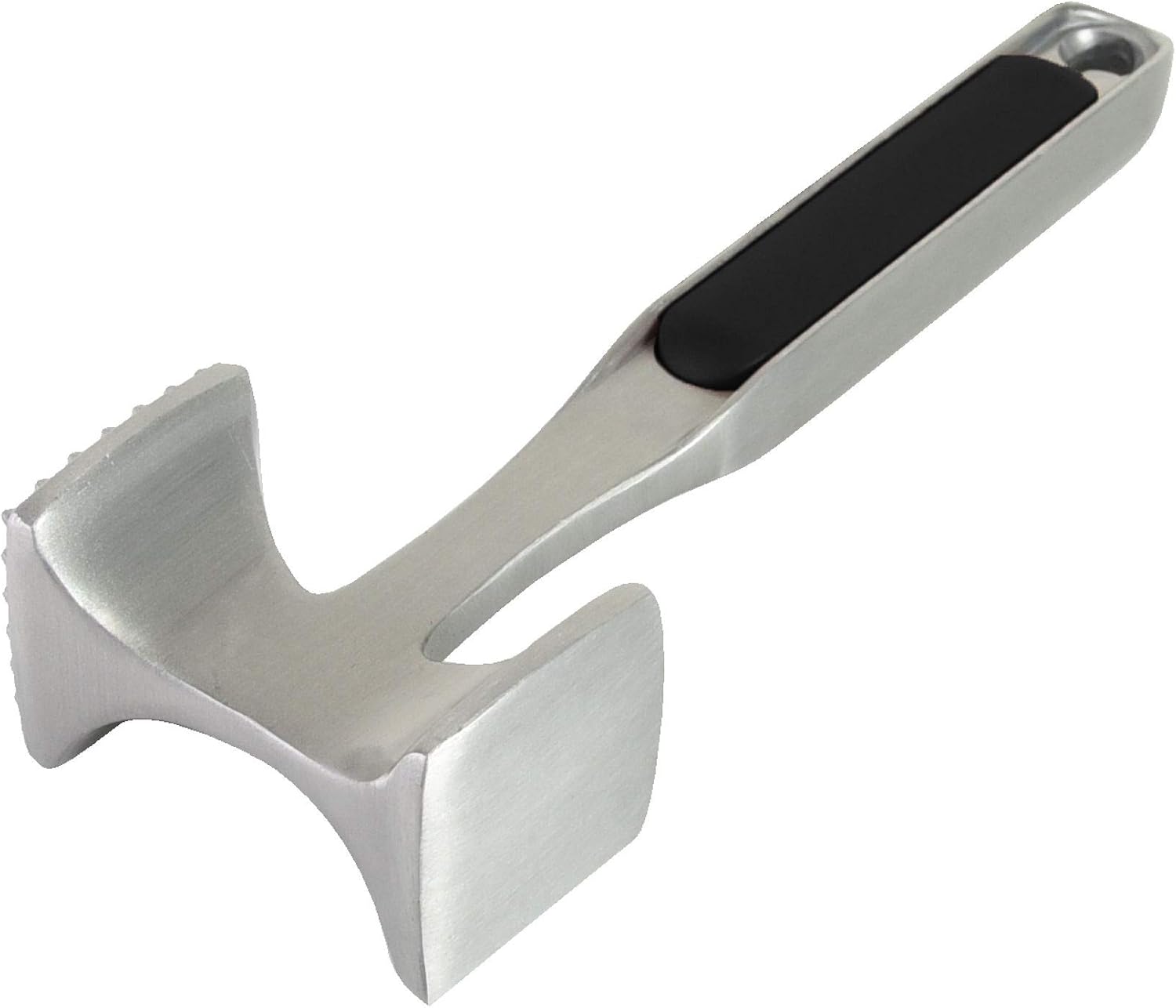 |
Dual-Sided Meat Mallet | Combines a textured tenderizing surface and smooth flattening side for versatile meat preparation. | Check on Amazon |
Short on Time? Start Here
If you’re short on time and simply want the best all-around option, this 48-blade tenderizer is the easiest recommendation. It combines deep marinade penetration, faster cooking, improved texture, and a safety-focused design in one tool. Unlike a traditional mallet, it tenderizes meat without pounding it flat, making it ideal for steaks, chicken, pork, and fish. The protective blade cover, dishwasher-safe construction, and versatile performance make it a practical choice for most home kitchens. If you only plan to buy one meat tenderizer, this is the option that delivers the best balance of convenience, performance, and everyday usability.
48-Blade Stainless Steel Meat Tenderizer
Fast, effective tenderizing without flattening your meat
- Creates 48 deep flavour channels that improve tenderness while keeping the meat’s natural shape intact.
How to Choose the right Meat Tenderizer for your kitchen
Choosing a meat tenderizer usually becomes confusing when every option looks similar but gives very different results in cooking. In kitchen use, the wrong tool can either flatten your meat too much or fail to improve texture at all, leaving steaks chewy and chicken uneven. The right choice depends on how you cook, what cuts you use most, and whether you want tenderizing, flattening, or both in one tool.
1. Think About How You Cook Meat
Start with your cooking style. If you often grill steaks or roast pork, a blade or needle-style tenderizer works better because it improves softness without changing the shape. If you usually make cutlets or schnitzel, a traditional mallet is more practical for flattening.
2. Blade vs Mallet vs Needle – What Actually Fits Your Kitchen
- Blade/needle tenderizers: Better for deeper flavor and juicier meat
- Meat mallets: Better for flattening and even cooking
- Heavy-duty models: Useful if you cook large batches or tougher cuts
Each type solves a different kitchen problem, not just a different preference.
3. Material and Build Quality Matter More Than Looks
In daily use, stainless steel blades or prongs tend to last longer and stay sharper. A strong handle also matters because pressure control affects results. Cheaper plastic-heavy tools may not hold up well with frequent use.
4. Safety and Cleaning Should Not Be Ignored
Blade-style tenderizers need proper cleaning because meat fibers can get stuck between prongs. A protective cover and easy-wash design make a big difference in real kitchen cleanup. If you don’t want extra maintenance, a mallet is simpler.
5. Match the Tool to Your Cooking Needs
- For steaks and BBQ: blade or needle tenderizer
- For chicken cutlets: mallet
- For mixed everyday cooking: dual-purpose tools
The meat tenderizer is not the most expensive one, but the one that matches how you actually cook at home. When the tool fits your kitchen habits, you get better texture, better flavour, and less cooking frustration without changing your recipe.
Top Meat Tenderizer
1. 48-Blade Stainless Steel Meat Piercing Tenderizer
If you’ve ever cooked a steak or chicken breast that looked great on the outside but turned out chewy inside, this meat preparation tool can help solve that problem. Its 48 stainless steel needle blades create small channels throughout the meat, allowing marinades, seasonings, and moisture to penetrate deeper. In kitchen use, it noticeably improves texture on tougher cuts while helping meat cook more evenly. As one of the more practical kitchen utensils meat tenderizer options, it is especially useful for home cooks who regularly prepare beef, pork, poultry, or fish.
| Feature | Details |
|---|---|
| Product Type | Needle Blade Meat Tenderizer |
| Blade Count | 48 Stainless Steel Needles |
| Blade Material | Rust-Resistant Stainless Steel |
| Handle Material | ABS Plastic |
| Safety Feature | Protective Blade Cover |
| Cleaning Method | Dishwasher Safe |
| Suitable For | Beef, Chicken, Turkey, Pork, Veal, Fish, Steak |
| Operation | Manual Press Design |
Key Features
- Uses 48 ultra-sharp stainless steel blades to break down muscle fibers efficiently.
- Helps marinades and dry rubs reach deeper into the meat.
- Can reduce cooking time by improving heat penetration.
- Durable rust-resistant blade construction for long-term use.
- Ergonomic handle provides a secure and comfortable grip.
- Automatic blade retraction adds an extra layer of safety during handling.
- Includes a protective cover for cleaner storage.
- Suitable for a wide range of proteins, from steak and pork chops to chicken breasts and fish fillets.
- Dishwasher-safe design makes cleanup easier after meal prep.
Pros
- Improves tenderness without flattening the meat.
- Enhances marinade absorption and flavor distribution.
- Sharp blades penetrate meat with minimal effort.
- Works well on multiple cuts and protein types.
- Easy to store thanks to the protective cover.
- Faster and more consistent than using a traditional meat mallet.
Cons
- Requires thorough cleaning between blades after handling raw meat.
- Not ideal for extremely thin cuts that can tear easily.
- Blades should be handled carefully during cleaning.
Best For
- Anyone looking for a reliable meat preparation tool that preserves the meat’s natural shape.
- Home cooks who frequently prepare steak, chicken, or pork.
- Improving tougher cuts of meat without excessive pounding.
- Faster marinating before grilling, roasting, or pan-searing.
For faster meal prep workflow, food choppers for quick and efficient ingredient preparation help reduce chopping time in the kitchen.
2. Professional 48-Blade Meat Prep Tenderizing
Tough steaks and dry chicken can be frustrating, especially when you’ve spent time seasoning and cooking them properly. This 48-blade tenderizing tool helps solve that problem by creating small openings that allow marinades and heat to move through the meat more evenly. In kitchen use, it performs especially well on beef, pork, and chicken breasts, helping produce a more tender bite without flattening the meat or changing its appearance.
| Feature | Details |
|---|---|
| Product Type | Blade Meat Tenderizer |
| Blade Count | 48 Double-Edged Blades |
| Blade Material | Stainless Steel |
| Construction | Heavy-Duty Design |
| Operation | Manual Press Action |
| Suitable For | Beef, Pork, Chicken, Veal, Turkey, Venison |
| Main Purpose | Tenderizing and Marinade Penetration |
| Cooking Benefit | Faster, More Even Cooking |
Key Features
- Equipped with 48 razor-sharp stainless steel blades for effective tenderizing.
- Helps break down connective tissue that can make meat chewy.
- Improves marinade absorption for deeper flavor throughout the cut.
- Supports more even heat distribution during cooking.
- Can help reduce overall cooking time on thicker cuts.
- Durable construction designed for regular kitchen use.
- Works on a wide variety of meats, including poultry and game meat.
- Maintains the meat’s natural shape better than pounding tools.
Pros
- Delivers noticeably better texture on tougher cuts.
- Makes marinades more effective.
- Easy to use with simple downward pressure.
- Suitable for everyday cooking and barbecue preparation.
- Durable blade system built for long-term use.
- Helps keep meat juicy by shortening cooking time.
Cons
- Requires careful cleaning between blades after use.
- Not necessary for naturally tender premium cuts.
- Blades are very sharp and should be handled with care.
Best For
- Anyone wanting more tender meat without using a traditional mallet.
- Home cooks who regularly prepare steaks and roasts.
- BBQ enthusiasts looking for deeper flavor penetration.
- Families cooking chicken, pork, or venison frequently.
To enhance seasoning strength and freshness, garlic crusher tools for better flavor extraction bring out a stronger aroma in everyday cooking.
3. 24-Prong Stainless Steel Meat Piercing Tenderizer
When cooking budget-friendly steaks, pork chops, or chicken breasts, one common problem is ending up with meat that feels tougher than expected. This 24-prong tenderizing tool helps solve that by breaking down muscle fibers and allowing marinades to reach deeper into the meat. In everyday kitchen use, it improves texture without flattening the cut, making it a practical choice for home cooks who want juicier results while keeping the meat’s natural shape intact.
| Feature | Details |
|---|---|
| Product Type | Needle Meat Tenderizer |
| Blade Count | 24 Stainless Steel Prongs |
| Blade Material | 304 Stainless Steel |
| Handle Material | Premium Plastic |
| Rust Resistance | Yes |
| Cleaning Method | Dishwasher Safe or Hand Wash |
| Included Accessory | Cleaning Brush |
| Suitable For | Beef, Chicken, Steak, Veal, Pork |
Key Features
- Features 24 ultra-sharp stainless steel prongs for effective tenderizing.
- Helps marinades and seasonings penetrate deeper into the meat.
- Preserves the meat’s original shape better than a traditional mallet.
- Made from food-grade 304 stainless steel for durability and corrosion resistance.
- Speeds up cooking by improving heat penetration.
- Includes a cleaning brush for easier maintenance.
- Suitable for everyday meal prep and grilling.
Pros
- Maintains the natural appearance of meat.
- Durable stainless steel construction resists rust.
- Helps improve tenderness without excessive effort.
- Easy to clean with the included brush.
- Works well on beef, pork, chicken, and veal.
Cons
- Fewer blades than some heavy-duty tenderizers.
- Requires careful cleaning around the prongs after use.
- Not ideal for very thin cuts of meat.
Best For
- Anyone looking for a simple, low-maintenance tenderizing tool.
- Home cooks preparing steaks, pork chops, or chicken breasts.
- Improving the texture of tougher cuts without pounding.
- Faster marinating before grilling or roasting.
For freshly ground spices with richer aroma, kitchen spice mill for creating fine spice blends in marinades improve overall taste depth.
4. Dual-Sided Aluminum Meat Mallet
If you’ve ever struggled with uneven chicken cutlets or tough steaks that refuse to tenderize properly, a traditional meat mallet can make meal prep much easier. This dual-sided pounding tool gives you a textured side for breaking down tougher fibers and a smooth side for flattening meat evenly. In kitchen use, it works especially well for chicken breasts, pork chops, and cutlets, helping create more consistent cooking results without requiring much effort.
| Feature | Details |
|---|---|
| Product Type | Meat Mallet Tenderizer |
| Construction Material | Aluminum |
| Tenderizing Surface | Textured Side |
| Flattening Surface | Smooth Side |
| Handle Style | Ergonomic Grip |
| Storage Option | Hanging Hole |
| Cleaning Method | Hand Wash Only |
| Suitable For | Meat, Nuts, Shellfish, Cutlets |
Key Features
- Dual-sided design handles both tenderizing and flattening tasks.
- Textured surface helps break down tougher meat fibers.
- Smooth side creates evenly sized cutlets for consistent cooking.
- Lightweight aluminum construction is easy to handle.
- Ergonomic handle provides a comfortable grip during use.
- Hanging hole allows convenient kitchen storage.
- Versatile enough for shellfish, nuts, and various meat cuts.
Pros
- Two working surfaces add versatility.
- Lightweight design reduces hand fatigue.
- Effective for preparing cutlets and thin meat portions.
- Durable aluminum construction.
- Easy to store when not in use.
Cons
- Requires hand washing.
- Can be noisy during use on hard countertops.
- Flattens meat, which may not be ideal when you want to preserve thickness.
Best For
- Preparing pork chops, steaks, and shellfish.
- Making chicken cutlets and schnitzel.
- Flattening meat for even cooking.
- Home cooks who prefer a traditional mallet design.
For traditional kitchen preparation methods, tool for crushing herbs and spices naturally delivers better texture and aroma control.
Benefits of Using a Meat Tenderizer
Many home cooks face the same issue — meat that looks perfect before cooking but turns out dry, chewy, or uneven after it hits the pan or grill. A meat tenderizer is a simple kitchen tool that improves texture before cooking starts. It helps transform everyday cuts like chicken breast, pork chops, and steak into softer, juicier meals without changing your recipe or cooking method.
1. Improves Meat Texture Naturally
A meat tenderizer breaks down tough muscle fibers and connective tissue. This makes the meat easier to chew without overcooking it. It’s especially helpful for budget-friendly cuts that are naturally tougher.
2. Helps Marinades Work Better
Instead of staying on the surface, marinades and spices can reach deeper layers of meat. This means better flavor in every bite, not just the outside.
3. Reduces Cooking Time
When meat fibers are loosened, heat moves through more easily. In real cooking situations, this can help reduce overall cooking time and lower the risk of drying out the meat.
4. Keeps Meat Juicier
Because meat cooks more evenly, moisture is better preserved inside. This results in a softer and juicier texture, especially for grilling and pan-frying.
5. Works Across Different Proteins
From beef and pork to chicken and fish, a tenderizer can improve a wide range of proteins, making it a versatile tool for everyday kitchen prep.
A meat tenderizer doesn’t change how you cook — it improves how your meat responds to cooking. For most home kitchens, it’s a small tool that makes a noticeable difference in taste, texture, and consistency without extra effort.
Types of Meat Tenderizers
When you start cooking meat regularly, you quickly realize not all tenderness problems are the same. Sometimes meat is too chewy, sometimes it cooks unevenly, and sometimes marinades don’t go deep enough. That’s why different meat tenderizers exist — each one solves a slightly different kitchen problem.
1. Blade (Needle) Meat Tenderizer
This is the type with multiple sharp blades or prongs that pierce the meat.
It works by creating tiny channels inside the meat so heat and seasoning can move deeper.
Best for steaks, chicken breast, and pork chops when you want juicier results without changing the shape of the meat.
2. Meat Mallet (Hammer Style)
This is the classic pounding tool with a heavy head.
One side usually flattens the meat, while the other side helps break down fibers.
Commonly used for cutlets, schnitzel, and when you need evenly thin meat for quick cooking.
3. Mechanical or Press Tenderizers
These are lever-style tools that apply consistent pressure.
They are less common in home kitchens but useful when handling larger quantities.
More often used in semi-professional or batch cooking setups.
4. Marinade-Focused Tenderizing Tools
Some modern tools are designed mainly to help marinades absorb faster rather than flatten meat.
They use fine needles or micro-blades.
Great for grilling and BBQ preparation where flavour depth matters more than shape.
There is no single “best” meat tenderizer. The right one depends on what you cook most often. If you want better flavor and juiciness, blade-style tools work well. If you want even thickness for cooking, a mallet is still the most practical choice in many kitchens.
How to Use a Meat Tenderizer Correctly
Many home cooks use a meat tenderizer but still end up with uneven texture or dry edges. In most cases, the issue is not the tool itself but how it is used. When applied correctly, a meat tenderizer helps improve softness, boost flavour absorption, and give more consistent cooking results, especially for steak, chicken, and pork.
1. Start With the Right Cut of Meat
Before using any tenderizer, place the meat on a clean cutting board. Thicker cuts like chicken breast, flank steak, or pork chops respond best because they have more muscle fiber to break down.
2. Use Gentle, Even Pressure
For blade or needle tenderizers, press straight down evenly across the surface. Do not twist or force the tool sideways. The goal is to create small internal channels, not tear the meat apart.
For mallet-style tenderizers, use controlled, even strikes to flatten or soften the meat depending on the side you are using.
3. Cover the Whole Surface
Work in a systematic pattern so every part of the meat is treated equally. Missing sections can lead to uneven cooking, where some parts are tender and others remain tough.
4. Let the Meat Rest After Tenderizing
After using the tool, let the meat rest for a few minutes. This allows juices and marinades to settle into the new texture, improving flavor and moisture retention during cooking.
5. Clean the Tool Immediately
In real kitchen use, cleaning right after use is important. Meat fibers can get stuck in blades or prongs, so washing with warm water or a brush keeps the tool safe and hygienic.
A meat tenderizer works best when used with control, not force. When you apply it correctly, even budget-friendly cuts can cook up soft, juicy, and full of flavor without changing your cooking style.
How to clean and maintain a Meat Tenderizer
After cooking chicken, steak, or pork, most people forget one important thing — the tool they used. A meat tenderizer comes into direct contact with raw meat, so if it is not cleaned properly, leftover fibers and moisture can build up quickly. Poor cleaning not only affects hygiene but also reduces blade sharpness and tool lifespan over time.
1. Clean Immediately After Use
Right after tenderizing, rinse the tool under warm water. This helps remove meat particles before they dry and stick inside blades or prongs.
2. Use a Brush for Deep Cleaning
Blade and needle-style tenderizers often trap small meat fibers. A small cleaning brush is the most effective way to reach between tight spaces and ensure proper hygiene.
3. Use Warm Soapy Water
Wash the tool with mild dish soap and warm water. This removes grease and protein residue that plain water cannot clean properly.
4. Dishwasher Use (If Allowed)
Some stainless steel models are dishwasher safe, but not all handles or mechanisms are designed for it. Always check first, because high heat can affect plastic grips over time.
5. Dry Immediately After Washing
Leaving moisture on metal parts can lead to rust spots or dull edges. Always dry the tool right after cleaning, especially around blades and joints.
6. Store Safely
Use protective covers if available. For mallet-style tools, hanging storage is ideal. For blade tools, keep them covered to avoid accidental contact and dust buildup.
A meat tenderizer is a simple kitchen tool, but it needs proper care to stay safe and effective. When cleaned and stored correctly, it stays sharp, hygienic, and ready to improve your next meal without any risk of contamination or damage.
Conclusion
Choosing the right meat tenderizer tool really comes down to how you cook at home, not how the product looks on the shelf. If you often struggle with tough steaks, dry chicken, or uneven pork chops, the right tool can quietly fix these problems before cooking even begins. Blade and needle-style tenderizers work best when you want juicier, more flavourful meat, while mallet-style tools are better for flattening and quick cutlet preparation. In kitchen, the biggest difference is consistency — a good tenderizer helps you get similar, predictable results every time instead of guessing texture after cooking. If your goal is better taste, softer bite, and less cooking frustration, then adding the right meat tenderizer to your kitchen is a small change that makes a noticeable difference.
Faqs
Do Meat Tenderizers Really Work?
Yes, meat tenderizers work when used correctly. Blade, needle, or mallet tools help break down muscle fibers, which improves tenderness and allows marinades to absorb deeper. The result is softer, juicier meat, especially for tougher cuts like steak, pork, and chicken breast.
What Is the Most Effective Meat Tenderizer?
The most effective option depends on your goal. Needle or blade-style tenderizers are best for improving juiciness and flavour without changing shape. A meat mallet is more effective when you want to flatten meat for even cooking, such as cutlets or schnitzel.
Is It Safe to Use a Needle Meat Tenderizer?
Yes, it is safe when used properly. The main safety point is careful handling and proper cleaning. Because it pierces meat with sharp prongs or blades, it must be washed thoroughly after each use to avoid bacteria buildup.
How Long Should I Tenderize Meat?
Tenderizing only takes a few seconds per side. You don’t need to overdo it. A few even presses or strikes are enough. Over-tenderizing can damage the meat texture instead of improving it.
Do Professional Chefs Use Meat Tenderizers?
Yes, many chefs use them, especially in commercial kitchens and BBQ preparation. However, they choose based on the dish — blade tools for flavour depth and mallets for cutlets or thin meat preparation.
Can You Use Meat Tenderizer on Chicken?
Yes, chicken is one of the most common meats for tenderizing. Chicken breast especially benefits because it can become dry or chewy. A tenderizer helps improve softness and allows seasoning to reach deeper for better flavour.

Hi, I’m Muhammad Din. I test and compare kitchen tools in my own kitchen before I ever recommend them — if it’s in a guide on HomePlora, I’ve used it or dug deep enough to know exactly where it holds up and where it doesn’t. My goal is simple: help you find tools that actually earn a spot in your kitchen, without wasting money on ones that don’t.